Half marathon guide
Half Marathon Fueling Plan: What to Practice
A half marathon fueling plan should be simple enough to practice during long runs. Use training to learn which foods, fluids, and timing feel comfortable, then carry that familiar routine into race week instead of relying on a new product at the event.
The short answer
A half marathon fueling plan should be simple enough to practice during long runs. Use training to learn which foods, fluids, and timing feel comfortable, then carry that familiar routine into race week instead of relying on a new product at the event.
A half marathon fueling plan is a rehearsed schedule
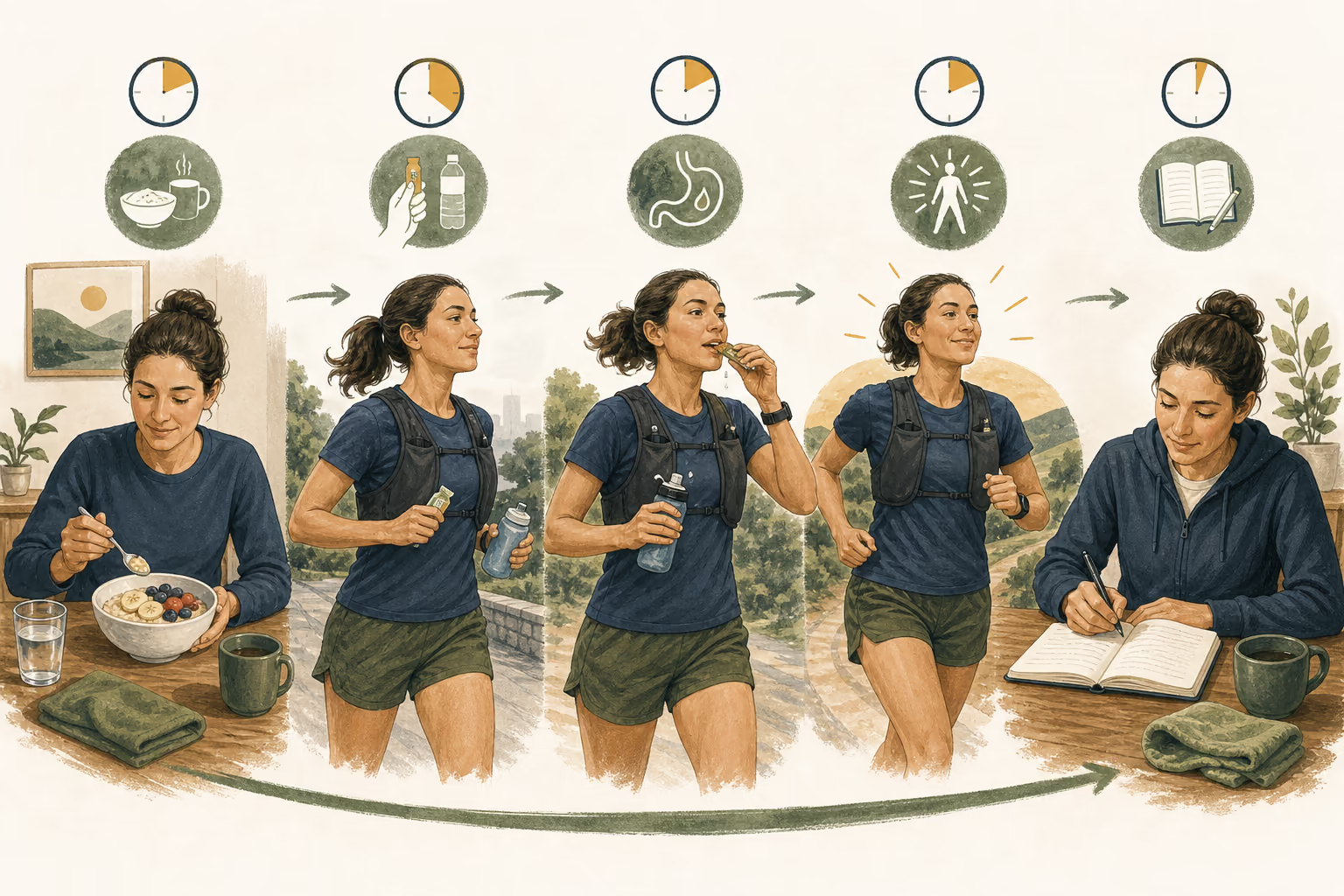
A practical half marathon fueling plan specifies a familiar pre-race meal, any carbohydrate taken during the race, the water or sports drink paired with it, and where each item comes from. Build it during the right long-run workouts, record tolerance, and carry the simplest version that covers your expected time on course.
Carbohydrate is the main exercise fuel addressed in sports-nutrition guidance for endurance events. Glycogen is carbohydrate stored in muscle and liver. A half marathon can last long enough for carbohydrate availability to matter, especially for runners on course well beyond ninety minutes, but the correct plan depends on duration, prior food, tolerance, intensity, and conditions.
More is not automatically better. A theoretical hourly target is useless if it causes nausea, is impossible to carry, or requires a product you have never used. Start from the joint sports-nutrition position statement, then refine with training evidence rather than copying another runner's gel count.
This is general education, not medical nutrition care. Diabetes, gastrointestinal disease, kidney or heart conditions, food allergy, medication interactions, pregnancy, and eating-disorder concerns require individualized professional guidance.
Start with expected race duration
Runners near or under 90 minutes
A well-fueled runner racing around an hour to ninety minutes may use only water, carbohydrate mouth contact, sports drink, or one small carbohydrate dose, depending on preference and rehearsal. The pre-race meal often carries much of the plan.
That does not mean faster runners should improvise. Race intensity can make stomach tolerance different from easy long runs, so practice any product during sessions that include race effort.
Runners on course 90 minutes to 2.5 hours
The joint position statement describes 30–60 grams of carbohydrate per hour as a general range for endurance exercise lasting roughly one to two and a half hours. That range is a starting framework, not a command to reach the upper end.
A runner expecting two hours might practice a gel containing about 20–25 grams every 35–45 minutes, or an equivalent combination of chews and sports drink. Read labels because packet sizes and drink concentrations vary.
Runners beyond 2.5 hours
Longer duration increases the importance of a sustainable plan and may require multiple carbohydrate sources. It also increases carrying, fluid, and gastrointestinal complexity. Build tolerance gradually across long runs.
Do not increase intake sharply in the final week. If training never supported an ambitious plan, use the most familiar tolerated version and adjust the performance goal rather than forcing the stomach to catch up.
Translate products into carbohydrate, not package count
| Example product | Typical carbohydrate range | What to verify |
|---|---|---|
| Gel packet | About 20–30 g | Exact label, whether water is recommended, caffeine |
| Chew serving | About 20–40 g | Serving size may be several pieces; chewing while moving |
| Sports drink cup | Highly variable | Course concentration and cup volume |
| Carbohydrate drink carried | Set by powder and bottle | Mixed concentration, total volume, heat tolerance |
| Everyday food | Variable | Portability, fiber/fat, chewing, wrapper disposal |
Build the plan in four long-run rehearsals
- 1
Establish breakfast
Use one familiar pre-run meal and timing. Record the food, amount, time, and stomach comfort before changing during-run fuel.
- 2
Test one carbohydrate source
Begin with a conservative dose during a long run. Pair it with water as the product directs and note taste, texture, and tolerance.
- 3
Add timing
Repeat the product at planned intervals. Use elapsed time or course-like landmarks rather than waiting for hunger.
- 4
Load the carrying system
Put every packet, chew, and bottle in its actual pocket or belt. Practice opening and disposing without stopping abruptly.
- 5
Rehearse at race effort
Use the established plan during a race-specific long run or pace segments. Harder breathing and reduced blood flow to the gut can change tolerance.
- 6
Freeze the final version
Write product, timing, fluid pairing, location, and a simple backup. Stop experimenting before race week.
Three worked fueling examples
| Expected finish | Illustrative plan | Carbohydrate context |
|---|---|---|
| 1:25 | Familiar breakfast; water to thirst; optional tested gel near 35–45 min | One 25 g gel averages about 18 g/h over 85 min |
| 2:00 | Breakfast; 25 g gel near 35, 75, and 105 min with water | 75 g total averages about 38 g/h |
| 2:45 | Breakfast; tested 25 g source about every 35 min; aid-station water | Four doses = 100 g, about 36 g/h; a fifth dose changes total and must be rehearsed |
Pre-race breakfast without a carbohydrate stunt
Timing and amount
The sports-nutrition position statement gives a broad pre-exercise carbohydrate framework of 1–4 grams per kilogram in the one to four hours before exercise. The range is wide because event duration, meal timing, body size, and tolerance differ.
A recreational runner should not calculate the upper end for the first time on race morning. Use the meal and interval proven before long runs: oatmeal and banana, toast and nut butter, rice, cereal, or another familiar low-risk option.
Fiber, fat, and protein
These nutrients are part of normal eating, but large amounts near the start can slow digestion or increase gastrointestinal symptoms for some runners. Training reveals what 'large' means in your routine.
Do not remove whole food groups for race week based on fear. Keep familiar foods and adjust only the specific components that repeatedly caused problems in rehearsal.
Coffee and caffeine
Use caffeine only if it is already part of the routine. Check gels and drinks because several small sources can produce an unintended total.
Caffeine can affect sleep, anxiety, heart rate, and gastrointestinal comfort. Medication or health questions require qualified advice, and more does not guarantee a better race.
Hydration is not a drinking contest
Start normally hydrated
Use normal meals and fluids in the preceding day instead of forcing a large volume late. Pale-straw urine can be one rough cue for many people, but color is affected by supplements and is not a medical assessment.
The ACSM fluid-replacement position stand emphasizes individualized planning because sweat rate and conditions vary. It also warns against drinking so much that body weight increases during exercise.
Use aid stations deliberately
Know station spacing and what is served. If taking a gel, a planned water walk can make swallowing easier. Do not take water, sports drink, and fuel at every table solely because they are available.
In warmth, fluid needs and heat risk may rise, but pace and cooling choices matter too. Follow current organizer and medical guidance rather than applying one fluid number to all weather.
Electrolytes are contextual
Sodium appears in sports drinks and some fuels, and can be relevant during prolonged sweaty exercise. A salty crust on clothing is not enough to prescribe a dose. Duration, diet, sweat loss, climate, and health all matter.
Avoid high-dose salt experiments in race week. Seek sports-dietitian or medical guidance when cramping, medical conditions, or medications complicate the decision.
Runner scenario
Scenario: Denise tries to reach 60 grams per hour
Denise, expecting a 2:20 finish
She has tolerated one 23-gram gel at 45 and 90 minutes on long runs. She reads the 30–60 g/h range two weeks before racing and plans to double intake using course sports drink.
- The decision
- The new plan combines a larger carbohydrate dose, unfamiliar drink, and race intensity without rehearsal.
- Recommended approach
- Use the established gels with water and, if one final suitable rehearsal remains, test only a modest known addition. Do not force the upper end of the range. Carry a familiar spare and choose a later nutrition block to train higher intake if useful.
- Why
- Guidelines describe a performance framework, not a deadline. Denise's tolerated plan supplies about 20 g/h across 140 minutes before breakfast is considered. It may be conservative, but it is evidence-based for her; an untested double dose is not.
Common fueling failures and direct fixes
Waiting for hunger
Use practiced elapsed times. Hunger can arrive after energy and concentration are already slipping.
Taking gel without appropriate water
Follow the product directions and training routine. Do not stack concentrated gel and sports drink automatically.
Counting packets instead of grams
Read the label. Packet and chew serving sizes vary substantially.
Packing too much
Carry the written plan plus a familiar spare, not every possible flavor. Extra weight and choice complicate execution.
Copying elite intake
Your duration, speed, products, and trained gut differ. Use the general range and your rehearsals.
Treating nausea as a command to force fuel
Reduce effort and follow the practiced contingency. Persistent or concerning symptoms need course support, not more internet arithmetic.
Troubleshoot gastrointestinal problems in training
| Pattern | Possible planning factor | One-variable test |
|---|---|---|
| Fullness early | Breakfast too large/close or pace too high | Keep food fixed and start easier, or adjust timing on another run |
| Nausea after gel | Concentration, flavor, insufficient water, or intensity | Try same dose with directed water at easy effort |
| Cramping late | Pace, carbohydrate dose, fluid, or unrelated cause | Review complete log; do not assume electrolyte deficiency |
| Urgent bathroom | Meal composition/timing, caffeine, nerves | Repeat one familiar breakfast with lower-risk timing |
| Cannot chew while running | Product format conflicts with breathing | Use a walk break or test gel/drink alternative |
Fuel by elapsed time, not GPS distance alone
A 45-minute fuel interval is stable when pace changes on hills or in heat. Mile-based timing can work when the course is marked and pace is predictable, but avoid delaying fuel because an uphill mile took longer than expected.
Set watch alerts before race day or use known aid stations. Keep the display simple enough that the alert does not compete with pacing. If the watch fails, use course clocks and landmarks from the race sheet.
Carrying and opening fuel under race conditions
Assign every item a location
Put early fuel in the easiest pocket and later fuel behind it. If packets are identical, no labeling is needed; if caffeine differs, create a tactile or location rule rather than reading fine print while moving.
Load the full system during a long run. Pockets and belts behave differently when full.
Practice the aid-station sequence
Move predictably to the side, open fuel before the table where safe, take water, walk while consuming if planned, discard only in marked zones, and resume without surging.
Do not stop in the center or throw sticky packaging outside collection areas. Execution should respect other runners and volunteers.
Audit the official aid stations before choosing what to carry
- 1
Confirm the product
Record the exact brand, flavor, carbohydrate amount, caffeine content, serving size, and whether sports drink and water use separate tables. 'Gels available' is not enough information for a sensitive stomach.
- 2
Confirm the locations
Use the official course guide to map approximate station miles. Convert them to elapsed-time ranges at primary and conservative pace so a slower race does not accidentally lengthen the fueling gap.
- 3
Check the serving
A cup may contain much less than the product's labeled serving, and volunteers cannot guarantee identical fill. If dose precision matters, carry the rehearsed product and use stations mainly for water.
- 4
Plan a miss
Decide what to do if a table is crowded, a product runs out, or a packet is dropped. Usually the answer is to continue calmly to the next safe opportunity, not turn around or double an unfamiliar dose.
- 5
Choose independence deliberately
Carrying all fuel adds weight and handling but removes product uncertainty. Relying on course supply reduces carrying but requires exact compatibility. Select the tradeoff you have practiced.
Read a fuel label before race week
| Label item | Why it matters | Planning question |
|---|---|---|
| Carbohydrate per serving | Determines the actual hourly arithmetic | Is one packet one serving? |
| Caffeine | Changes stimulant exposure across repeated doses | Has this amount and timing been rehearsed? |
| Fluid directions | Some products are designed to be taken with water | Where will water be available? |
| Serving form | Gel, chew, drink, and solid food take different time to handle | Can it be opened and consumed while running? |
| Ingredients and allergens | Tolerance and medical needs outrank convenience | Is the on-course flavor the one tested? |
Write the final fueling card
- 1
Record breakfast
Exact food, approximate portion, and timing proven in training.
- 2
Record each dose
Product, carbohydrate grams, caffeine status, and elapsed time.
- 3
Record fluid pairing
Water or drink source and course station; use the weather strategy guide to keep condition-based adjustments within rehearsed options.
- 4
Record carrying location
Assign pockets and a familiar spare so execution requires no search.
- 5
Connect it to the full race plan
Use a race-specific plan to align fueling with expected duration, pace, hills, and aid stations—without generating a new untested protocol.
Put it into a plan
Turn this guidance into your next useful step.
Use a free resource to explore your options, or build a race-specific plan around your date, availability, and current fitness.
Build your plan for $19.99Keep learning
Related resources
Your First Long Run: A Beginner’s Guide
Prepare for your first half marathon long run with easy effort, route planning, fueling practice, and a manageable progression.
Read guideTwo-Week Half Marathon Taper Guide
Plan a two-week half marathon taper that reduces fatigue while keeping your running routine and race-day confidence intact.
Read guideHalf Marathon Weather Strategy
Prepare for heat, cold, rain, and wind in a half marathon by adapting effort, clothing, fluids, and expectations to race-day conditions.
Read guideQuestions runners ask
- Do I need gels for a half marathon?
- Not everyone does. A faster well-fueled runner may prefer sports drink or one small dose, while a runner on course for two or three hours often benefits from planned carbohydrate. Use the 30–60 g/h general range as context and build a tolerated plan in training.
- How many gels should I take?
- Divide the grams in each gel by your expected duration and compare the result with the practiced plan. Three 25-gram gels across two hours provide 75 grams total, about 38 g/h. Breakfast and sports drink also contribute. Do not chase a number you have not tolerated.
- When should I take my first gel?
- Many runners take the first around 30–45 minutes, before hunger or fatigue. The correct time depends on breakfast, finish duration, product, and training. Test the same timing on long runs and race-specific sessions.
- Should I drink at every aid station?
- Not automatically. Station spacing, weather, thirst, pace, and your fluid plan matter. Drinking every available cup can exceed need, while skipping all stations may be unsuitable in warmth. Rehearse a plan and follow current event guidance.
- Can I use candy or everyday food instead of gels?
- Yes, if it provides a known carbohydrate amount, is easy to carry and chew, and was tolerated while running. Check fat, fiber, wrapper, and portion. A cheaper product is useful only when the full race execution works.
- Should I carbohydrate-load for a half marathon?
- Carbohydrate availability matters, but a half marathon rarely requires an extreme feast or depletion protocol. Keep familiar meals, emphasize tolerated carbohydrate foods across the preceding day or two, and arrive with a practiced breakfast. Individual nutrition needs vary.
- What if my stomach feels bad on race morning?
- Do not force an unfamiliar meal or double concentrated fuel. Use the most familiar tolerated option, allow extra bathroom time, and reduce the performance goal if needed. Severe or concerning symptoms require medical guidance; a web guide cannot determine whether racing is safe.
Sources and methodology
This guide is educational, not medical advice. It is written from general training principles and linked primary or official references; use judgment for your own conditions and consult a qualified professional for individual health concerns. Read our editorial methodology.
- Nutrition and Athletic Performance — American College of Sports Medicine, Academy of Nutrition and Dietetics, and Dietitians of Canada. Joint position statement on sports nutrition.
- Exercise and Fluid Replacement — American College of Sports Medicine. Position stand on hydration during exercise.
- IOC consensus statement on recommendations and regulations for sport events in the heat — British Journal of Sports Medicine. Consensus on environmental monitoring, acclimation, hydration, clothing and warm-up, event modification, and medical management in the heat.