Half marathon guide
Half Marathon Weather Strategy
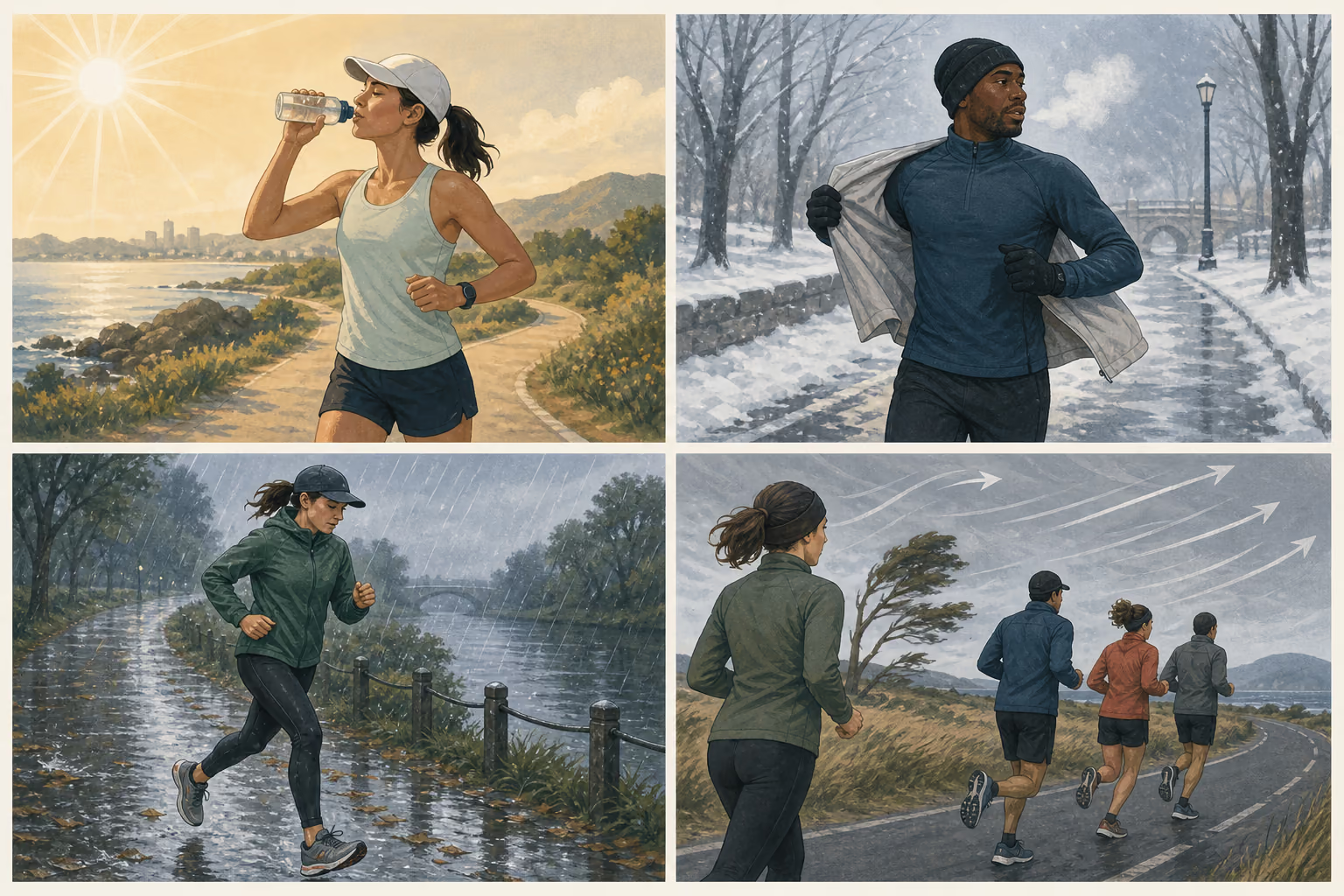
Weather should change your half marathon strategy. Use effort rather than forcing a familiar pace in heat, wind, rain, or cold; dress and hydrate for the conditions; and make adjustments early instead of waiting until you are already struggling.
The short answer
Weather should change your half marathon strategy. Use effort rather than forcing a familiar pace in heat, wind, rain, or cold; dress and hydrate for the conditions; and make adjustments early instead of waiting until you are already struggling.
Race the conditions you have, not the pace you predicted
A half marathon weather strategy has two jobs: reduce avoidable exposure before the start and replace a rigid pace target with effort-based decisions when conditions raise the cost of running. Check the event forecast and official alerts, choose clothing from the beginner gear and testing guide, begin more conservatively in heat or strong wind, and decide in advance what would make you slow down, stop, or seek help.
Weather does not affect only comfort. Heat and humidity make it harder to release metabolic heat. Wind changes both running resistance and cooling. Rain changes friction, visibility, and clothing behavior. Cold can become important when runners wait wet or exposed before and after the race. The result is not one universal pace adjustment but a different set of constraints for that athlete, course, and day.
This guide helps with race execution, not medical clearance or emergency diagnosis. Official event instructions and medical staff take priority. A finish-time goal is optional; responding to a warning or course closure is not.
Build a weather plan in four forecast checks
- 1
Seven days out
Identify the plausible range rather than trusting one hourly icon. Check start time, exposed sections, elevation, shade, and the organizer's weather policy. Prepare alternative kit and pacing plans without making a final choice.
- 2
Forty-eight hours out
Use the organizer's forecast or a reputable local forecast to narrow clothing, transport, and hydration logistics. Note temperature, humidity or dew point, wind speed and direction, precipitation, and any air-quality alert.
- 3
The evening before
Select primary kit and pack one alternative. Write an opening-effort rule and the condition that triggers the conservative goal. Do not make a last-minute hydration or supplement experiment.
- 4
At the venue
Judge the conditions at the site. Follow flag systems, delay notices, course changes, and medical guidance. Recheck how the first and final miles align with wind, sun, and terrain.
Translate forecast variables into race decisions
| Signal | What it can change | Practical response |
|---|---|---|
| Temperature plus humidity | Cooling demand and sustainable effort | Start below calm-day target effort; use official cooling and aid options |
| Direct sun | Radiant heat and exposed-surface temperature | Choose shade before the start; use a light tested cap if helpful |
| Headwind | Energy cost at a given pace | Hold effort, use a legal group, and stop repairing each slow split |
| Tailwind | Pace assistance but sometimes less air movement across the body | Keep heat strategy active; do not assume faster pace means lower strain |
| Rain | Grip, visibility, chafing, and cooling | Use tested socks/lubricant; slow at paint, metal, turns, and standing water |
| Cold and waiting | Stiffness and heat loss before running | Keep removable layers on until close to the start; protect dry post-race clothing |
| Official alert | Course rules and medical risk | Follow the event's instruction even when personal conditions seem manageable |
Heat: separate acclimatization, hydration, and pacing
These are related controls, but one cannot fully substitute for another.
Acclimatization
Heat acclimatization is a planned period of repeated heat exposure that can improve the body's response. The International Olympic Committee consensus discusses it as a primary preparation strategy for competition in heat. It is not achieved by one overdressed run, and aggressive self-directed heat sessions can add strain at the wrong time in training.
If the race is likely to be warmer than the training environment, treat the mismatch as a reason for a more conservative goal. A coach or qualified clinician can help with a formal protocol when performance in heat is a recurring need.
Hydration
Begin normally hydrated and use a rehearsed plan based on duration, conditions, access, and prior response. Drinking more than needed does not cancel heat strain. The ACSM hydration position stand also warns against body-weight gain during exercise from excessive fluid intake.
Aid stations are resources, not mandatory full-cup stops. Know approximate spacing, decide whether to carry fluid, and practice taking manageable amounts without gulping or sprinting away.
Pacing
Pacing is the control available from the first step. Begin at an effort that feels almost restrained, allow the watch pace to be slower than the cool-day plan, and reassess after several miles rather than after the opening minute.
There is no safe universal formula such as a fixed number of seconds per degree. Humidity, sun, acclimatization, body size, fitness, medications, recent illness, and course support alter the response. Use official risk guidance and choose effort over a conversion chart.
Wind: pace by direction and exposure
Map where it matters
A forecast wind direction becomes useful only when compared with the course. An out-and-back may provide both headwind and tailwind; a point-to-point course may concentrate the cost in one half. Bridges, waterfronts, open farmland, and street canyons can feel different from the reported station value.
Mark the exposed miles on a course map. If the final four miles face the wind, preserve effort earlier. If the headwind comes first, resist the temptation to recover every second as soon as the course turns.
Use a group without racing the group
Running behind others may reduce direct exposure, but a group helps only when its effort and line are appropriate. Avoid repeated accelerations to attach to a pack that is too fast. Leave space, do not clip heels, and expect the group to compress at turns and aid stations.
On gusty days, prioritize stable form over perfect tangents. A sudden crosswind on a bridge or exposed corner is a reason to widen the margin around other runners.
Rain: manage friction, visibility, and waiting
Before the gun
Staying dry while waiting can matter more than keeping rain off during the race. Use an event-permitted disposable outer layer and keep race shoes protected until practical. Confirm bag-check rules before relying on dry clothing at the finish.
Apply tested anti-chafe protection where wet fabric has caused problems in training. Do not debut waterproof footwear, heavy shells, or new socks; trapping heat and changing shoe fit can create a different problem.
On the course
Shorten steps and slow deliberately on painted lines, metal covers, wet leaves, tight turns, and puddles whose depth is unclear. Sunglasses with a clear or light lens may help some runners, but only if rehearsed and permitted by visibility.
Rain can hide overheating when the air remains warm and humid. Continue the heat and hydration plan based on conditions and effort rather than the sensation of water on skin.
Cold: distinguish running temperature from waiting temperature
Start-area protection
A runner dressed for mile 5 may be underdressed for a forty-minute corral wait. Use removable layers, gloves, and a hat as needed, then follow event rules for discarding or donating them. Keep the race number visible where required.
Warm up without becoming sweaty long before the gun. If the start is delayed, return to gentle movement and keep layers on instead of completing the entire planned warm-up again at high intensity.
Finish-area protection
Cooling can feel rapid once running stops, especially in wet clothing and wind. Know where the gear bag, transport, and shelter are. Pack a dry top, warm layer, and simple food rather than assuming the finish festival will meet every need.
Cold does not make pain or altered coordination harmless. Seek event support when symptoms are concerning or movement is not normal.
Runner scenario
Scenario: Maya's cool-weather goal meets a humid race
Maya, a 2:05 runner training through a mild spring
Her target comes from a recent 10K and three steady long runs. Race morning is forecast to be much warmer and more humid than any key run, with direct sun after mile 6.
- The decision
- Maya plans to hold 9:32 per mile from the start and drink at every station because that protects the goal and offsets the heat.
- Recommended approach
- Replace exact opening pace with a controlled-effort ceiling, use the conservative finish range from her pacing plan, follow her rehearsed fluid pattern rather than forcing every cup, and reassess before the sunny section. Carry the same tested fuel and use official cooling where available.
- Why
- More fluid cannot preserve a cool-day pace or erase heat production. Early pace restraint reduces the demand before conditions and fatigue accumulate, while a rehearsed plan avoids introducing gastrointestinal and overdrinking problems.
Choose clothing by function
| Need | Useful tested option | Common mistake |
|---|---|---|
| Sun exposure | Light breathable top, sunscreen, ventilated cap | Thick untested hat or forgetting reflected exposure |
| Pre-start rain | Disposable permitted shell or poncho | Starting soaked after a long wait |
| Wet-run friction | Known socks, fitted technical fabric, tested lubricant | New waterproof shoes or cotton layers |
| Cold wait | Removable outer layer, gloves, hat | Dressing only for mid-race warmth |
| Wind | Close-fitting layer and secure bib | Loose material that flaps or an untested windproof shell that overheats |
| Post-race | Dry top and warm layer in protected bag | Assuming a foil wrap solves a long cold walk |
Create three finish goals instead of one brittle target
- 1
Goal A: favorable conditions
Use the performance range supported by training and the race-pace strategy when the race is broadly similar to rehearsed conditions.
- 2
Goal B: demanding but manageable conditions
Define success by controlled effort, sound fueling, and a wider finish range. Activate it at the start instead of after a major slowdown.
- 3
Goal C: safety and completion are uncertain
Follow event changes, slow substantially, or stop when conditions, symptoms, or official instructions require it. A no-finish decision can be the correct execution of the plan.
- 4
Write the trigger
Use an observable event: official alert changes, goal effort feels unsustainable by mile 3, footing becomes unsafe, or concerning symptoms appear.
Correct common weather-plan failures
| Failure | Why it fails | Correction |
|---|---|---|
| Choosing kit from temperature alone | Sun, wind, rain, waiting, and humidity are missing | Plan the entire exposure timeline |
| Using one seconds-per-mile heat rule | It implies precision across unlike runners and conditions | Use effort, official alerts, and a conservative goal |
| Drinking extra as insurance | Overdrinking can be dangerous and does not remove heat load | Follow a practiced individualized approach |
| Fighting headwind pace | Effort spikes early | Allow pace variation and use a suitable group |
| Wearing race-day-only gear | Fit, heat retention, and friction are unknown | Test the full system in training |
| Ignoring a wet finish | Cold exposure begins when running stops | Pack dry layers and map the exit |
Pack a weather module, not a second suitcase
Hot option
Tested light top, sunscreen, ventilated cap or visor, and the written conservative pacing rule.
Wet option
Permitted pre-start cover, anti-chafe product, dry post-race layer, and a sealed bag for essentials.
Cold option
Removable start layers, gloves, hat, and a protected warm finish layer.
Wind option
Secure bib and close-fitting tested layer, plus course notes showing exposed headwind sections.
Universal option
Organizer alerts, transport backup, emergency contact, medications normally carried, and no new performance products.
Prepare for a climate you could not rehearse
Traveling from cool to hot
Do not manufacture last-minute acclimatization with overdressing, saunas, or hard sessions unless they are part of a professionally designed protocol. Reduce finish-time certainty, protect pre-start shade, and activate the conservative effort plan from the gun. Arrival timing alone does not guarantee adaptation.
Pack the tested warm-weather kit and verify that ordinary food, fluid, and transport are available. A destination race adds travel fatigue and schedule changes to the climate mismatch.
Traveling from warm to cold or wet
The main surprise may be the waiting and finish periods rather than running itself. Bring removable start protection and dry finish clothing in accessible luggage. Do not choose a heavy race layer solely from the standing temperature if it will trap heat after several miles.
When the exact conditions are unavailable in training, rehearse the logistics separately: opening packaging with gloves, securing the bib under permitted layers, and changing into dry clothing efficiently.
Your final weather-plan actions
- 1
Map exposure
Mark shade, open roads, bridges, major climbs, direction changes, aid stations, and shelter.
- 2
Choose tested kit
Prepare one primary combination and one forecast-specific alternative, including dry finish clothing.
- 3
Set goal triggers
Write the exact signal that moves you from favorable-day pace to conservative effort or event-medical help.
- 4
Rehearse the controllable parts
Practice fueling, drinking, wet-weather friction management, and running by effort when the watch pace varies.
- 5
Build the race-specific plan
Use the actual race date, course, available training time, and likely climate so weather preparation sits inside the broader taper and pacing strategy. Recheck the official forecast close to the start because a plan built from last week's icon is not a current conditions decision.
Put it into a plan
Turn this guidance into your next useful step.
Use a free resource to explore your options, or build a race-specific plan around your date, availability, and current fitness.
Build your plan for $19.99Keep learning
Related resources
Half Marathon Fueling Plan: What to Practice
Create a simple half marathon fueling plan by practicing carbohydrates, fluids, timing, and race-day routines during training.
Read guideHalf Marathon Race Pace Strategy
Build a half marathon race pace strategy with a realistic opening effort, controlled adjustments, and practice from training runs.
Read guideHalf Marathon Gear for Beginners
A practical beginner half marathon gear checklist focused on comfortable shoes, clothing, carrying fuel, and race-day rehearsal.
Read guideQuestions runners ask
- How much should I slow down for a hot half marathon?
- There is no dependable universal seconds-per-mile adjustment. Start below cool-day target effort, use official event guidance, and switch to a conservative finish goal before effort becomes unsustainable. Acclimatization, humidity, sun, health, and course support all change the response.
- Should I drink at every aid station in hot weather?
- Not automatically. Station spacing, cup size, sweat loss, duration, and prior practice matter. Begin normally hydrated and follow a rehearsed individualized plan. Drinking beyond need does not remove heat strain and can create serious risk.
- How do I pace a half marathon into a headwind?
- Hold appropriate effort and accept a slower split. Use a legal, compatible group if available, leave space, and avoid surging to attach to faster runners. When the course turns, resume rhythm gradually instead of immediately recovering every second.
- What should I wear for a rainy half marathon?
- Use known technical clothing, socks, shoes, and anti-chafe protection. Stay dry during a long wait with an event-permitted disposable layer, and pack dry finish clothes. Slow on paint, metal, leaves, tight turns, and unclear puddles.
- Do I need more clothes for a cold race?
- Plan separately for waiting, running, and finishing. Removable start layers may keep you comfortable without overdressing for mile 5. Follow discard rules and protect dry post-race clothes, especially when wind or rain is present.
- Can rain cancel the effect of heat and humidity?
- No. Rain may cool surfaces and skin, but warm humid air can still limit heat loss. Keep the heat plan active, monitor official alerts, and do not judge physiological demand only by how cool the rain feels.
- When should weather make me abandon a time goal?
- Change the goal when official alerts escalate, opening target effort is already unsustainable, footing becomes unsafe, or conditions differ substantially from preparation. Concerning symptoms and event instructions can require stopping, not merely slowing.
Sources and methodology
This guide is educational, not medical advice. It is written from general training principles and linked primary or official references; use judgment for your own conditions and consult a qualified professional for individual health concerns. Read our editorial methodology.
- Exercise and Fluid Replacement — American College of Sports Medicine. Position stand on hydration during exercise.
- Road Running — World Athletics. Background on road-racing disciplines and race-day conditions.
- IOC consensus statement on recommendations and regulations for sport events in the heat — British Journal of Sports Medicine. Consensus on environmental monitoring, acclimation, hydration, clothing and warm-up, event modification, and medical management in the heat.
- National Athletic Trainers' Association Position Statement: Exertional Heat Illnesses — Journal of Athletic Training. Position statement on prevention, recognition, and emergency management of exertional heat illness.